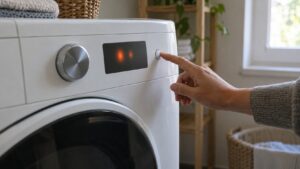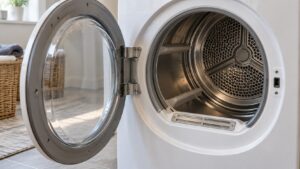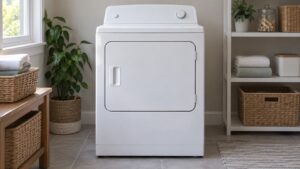
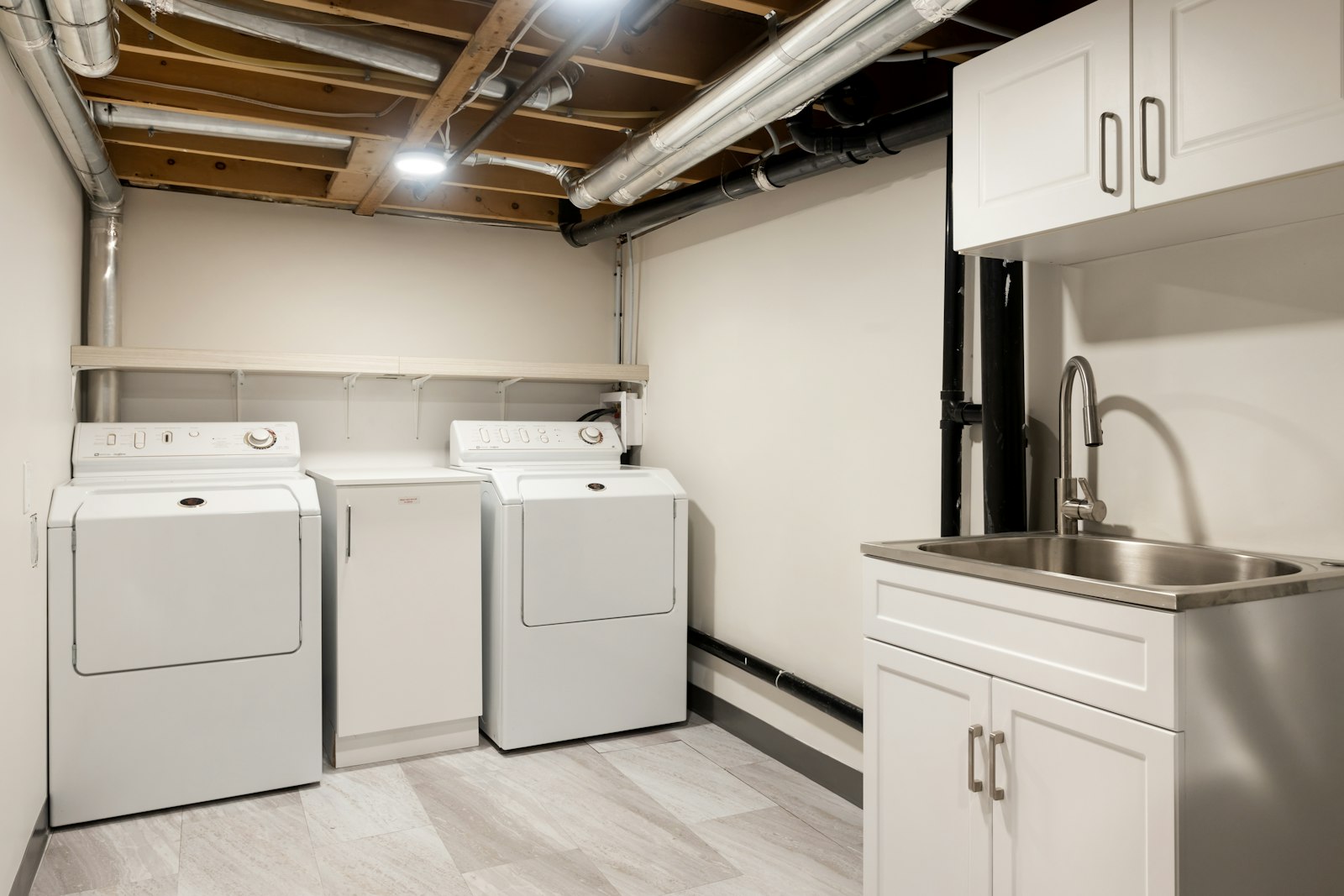
Understanding how a whirlpool dryer works turns a mysterious appliance into a simple airflow machine, and it explains why almost every dryer problem comes back to the same thing: moving heated air. A Whirlpool dryer does three jobs at once — it heats air, tumbles clothes through that air, and pulls the now-moist air out through a vent. When all three happen smoothly, clothes dry in one cycle. When any one is blocked or fails, you get cold, damp laundry or a dryer that runs forever.
The three jobs behind how a whirlpool dryer works
- Heat. An electric WED dryer uses a heating element; a gas WGD dryer uses an igniter and gas valve. Either way, incoming air is warmed before it enters the drum.
- Tumble. A motor spins the drum via a thin drive belt, lifting and dropping clothes so the hot air reaches every surface. The same motor often drives the blower that moves the air.
- Exhaust. The blower pulls the warm, moisture-laden air out of the drum, through the lint screen, and down the vent to the outside. This is where the moisture actually leaves your clothes.
The sensors that control the cycle
A modern Whirlpool dryer does not just run a timer — it measures itself. A moisture sensor (two metal strips in the drum) reads how wet the clothes are and ends the cycle when they are dry, saving energy and protecting fabrics. Thermistors at the inlet and exhaust monitor air temperature; if the exhaust thermistor reads open it logs F3E1, and if the inlet reads shorted it logs F3E2, in both cases cutting the heat to stay safe. A thermal fuse acts as a last-resort safety, blowing if the dryer overheats. These are the parts behind most of the codes in our Whirlpool dryer error codes reference.
Why airflow is everything
Because the dryer removes moisture by venting air, restricted airflow breaks the whole system. A clogged vent traps moist air, so clothes stay damp; it also makes the dryer overheat, which blows fuses and burns out elements. That is why a single blocked vent can cause slow drying, no heat, and tripped sensors all at once. Our guide on a Whirlpool dryer that takes too long goes deeper on keeping that airflow clear.
It helps to picture the air as a continuous stream rather than a series of bursts. Room air is pulled in, warmed by the element or the gas burner, drawn through the tumbling clothes where it picks up moisture, pushed through the lint screen, and finally blown out the vent — all in one continuous loop driven by the blower. Every part of the dryer sits somewhere along that stream, which is why a restriction at any point affects everything upstream and downstream of it. A blocked outdoor hood slows the whole loop, so the warm air lingers, the element cycles off on its safety limits, and the clothes never fully dry. This is also why a dryer with a perfectly good element can still fail to dry: the heat is being made, but the moisture has nowhere to go. Understanding the stream as one connected path is the key insight that turns a confusing set of symptoms into a single, traceable airflow story.
Why this matters for repairs
Knowing how the parts fit together means you can reason about problems: a dryer that tumbles but stays cold has a heat-side problem (element, fuse, thermistor, or gas igniter); one that heats but will not tumble has a drive-side problem (belt or motor); one that does both but dries slowly has an airflow problem. If you would rather have an expert trace it, our skilled technicians diagnose by stage; you can book a visit. Whirlpool explains its drying features and sensor technology at whirlpool.com, and our Whirlpool dryer repair service covers every part of the machine.