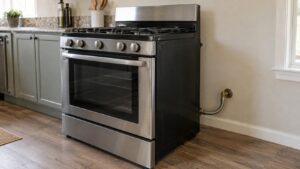
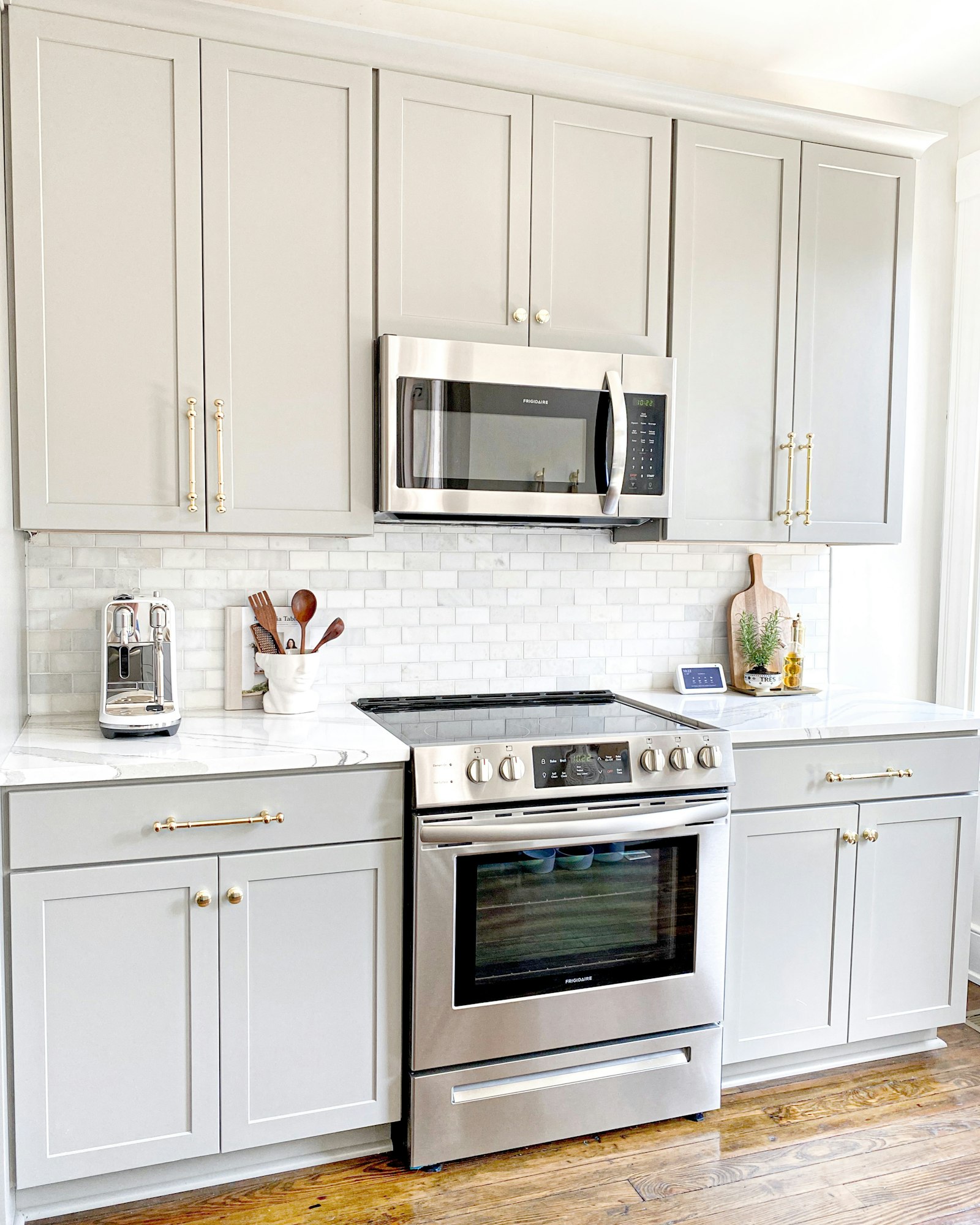
A whirlpool range oven not heating is one of the most disruptive problems a kitchen can have, but the cause is usually a single failed component you can often identify yourself. The likely culprit depends on whether you have an electric range like the WFE515S0J or a gas range like the WFG515S0J — electric ovens heat with a bake element, gas ovens with an igniter and valve. A few error codes also point straight at the problem.
Why a whirlpool range oven not heating happens
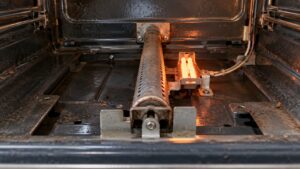
On an electric range, the bake element at the bottom of the cavity glows red when working; if it has burned through (often with a visible blister or break), the oven will not heat. A failed oven temperature sensor or a bad relay on the control board can also stop heating. On a gas range, the igniter must glow hot enough to open the safety valve; a weak igniter glows but never opens the valve, so you get clicking or a glow with no flame.
Steps to try first
- Electric: watch the bake element on a bake cycle — if it does not glow evenly, or shows a break, it needs replacing.
- Gas: watch the igniter through the broiler or bake area — if it glows orange for over 90 seconds without lighting the burner, the igniter is weak.
- Confirm the oven is not in a delayed-start or Sabbath mode and that the clock is set.
- Check that the door closes fully; a door-switch failure stops the oven from heating.
When the display shows a code
Whirlpool ranges report many no-heat problems directly. A door or interlock switch problem shows as F9E0 — see our F9E0 code page. On gas ranges, F9E0 can also indicate a gas valve relay failure that prevents ignition. An open oven temperature sensor shows as F3E1; read the diagnosis on our F3E1 sensor code page. A control-board EEPROM problem that disables heating shows as F1E0. Matching the code to the part saves a great deal of guesswork.
Electric versus gas: narrowing it down
Knowing your fuel type cuts the diagnosis in half. On an electric range, the bake element is the most common no-heat cause and is easy to inspect — power off, it should look intact, and a working element glows bright orange across its whole length on a bake cycle. If only the broiler works, suspect the bake element specifically; if neither works, look at the temperature sensor, the relay, or the door switch. On a gas range, the igniter is the usual culprit, and the tell is timing: a healthy igniter lights the burner within about a minute, while a weak one glows but never gets hot enough to open the safety valve, so you get a glow with no flame. A gas oven that does not even glow points instead to power, the control, or the valve. Watching that first bake cycle closely — element glow versus igniter glow versus nothing — tells an experienced eye almost immediately which subsystem to chase.
When to call a technician
Replacing a bake element or a gas igniter is within reach for a confident DIYer, but anything involving the gas valve, the control board, or persistent codes after a part swap is best left to a professional — gas work especially carries safety risk. If you ever smell gas, stop, ventilate, and call your utility before doing anything else. Our independent specialists service Whirlpool electric and gas ranges with genuine OEM parts, a 30-day labor warranty, and pricing from a trip-and-diagnostic fee depending on the diagnosis. You can schedule an oven diagnosis online, or read our oven-temperature guide if it heats but runs hot or cold. For model documentation, see Whirlpool.