This whirlpool range hood buying guide walks through the decisions that actually matter when choosing a hood — width, airflow (CFM), mounting style, and ducted versus ductless — so the hood you pick genuinely clears smoke and steam rather than just looking the part. Whirlpool offers under-cabinet, chimney canopy, and ductless hoods, and the right choice depends on your cooktop, your cooking, and your venting options.
Width — the first decision in this Whirlpool range hood buying guide
Match the hood width to your cooktop. A 30-inch cooktop pairs with a 30-inch hood (WVU17UC0JS, UXT4130ADS, WVW51UC0LS), and a 36-inch cooktop with a 36-inch hood (UXT5536AAS, WVW53UC6LS). A hood narrower than the cooktop leaves the outer burners uncaptured, so err toward matching or slightly wider, never narrower.
CFM — matching airflow to your cooking
- Light cooking: a compact ductless or lower-CFM under-cabinet hood (around 140 to 270 CFM, like the UXT4030ADS or WVU17UC0JS) is fine for occasional simmering and boiling.
- Everyday cooking: a mid-range hood around 300 CFM (WVU7130JS, WVW73UC0LS) suits regular frying and sauteing.
- Heavy or high-heat cooking: a 400 CFM convertible or canopy model (UXT5530AAS, WVW53UC0LS) handles searing, wok cooking, and frequent frying.
Mounting style and venting
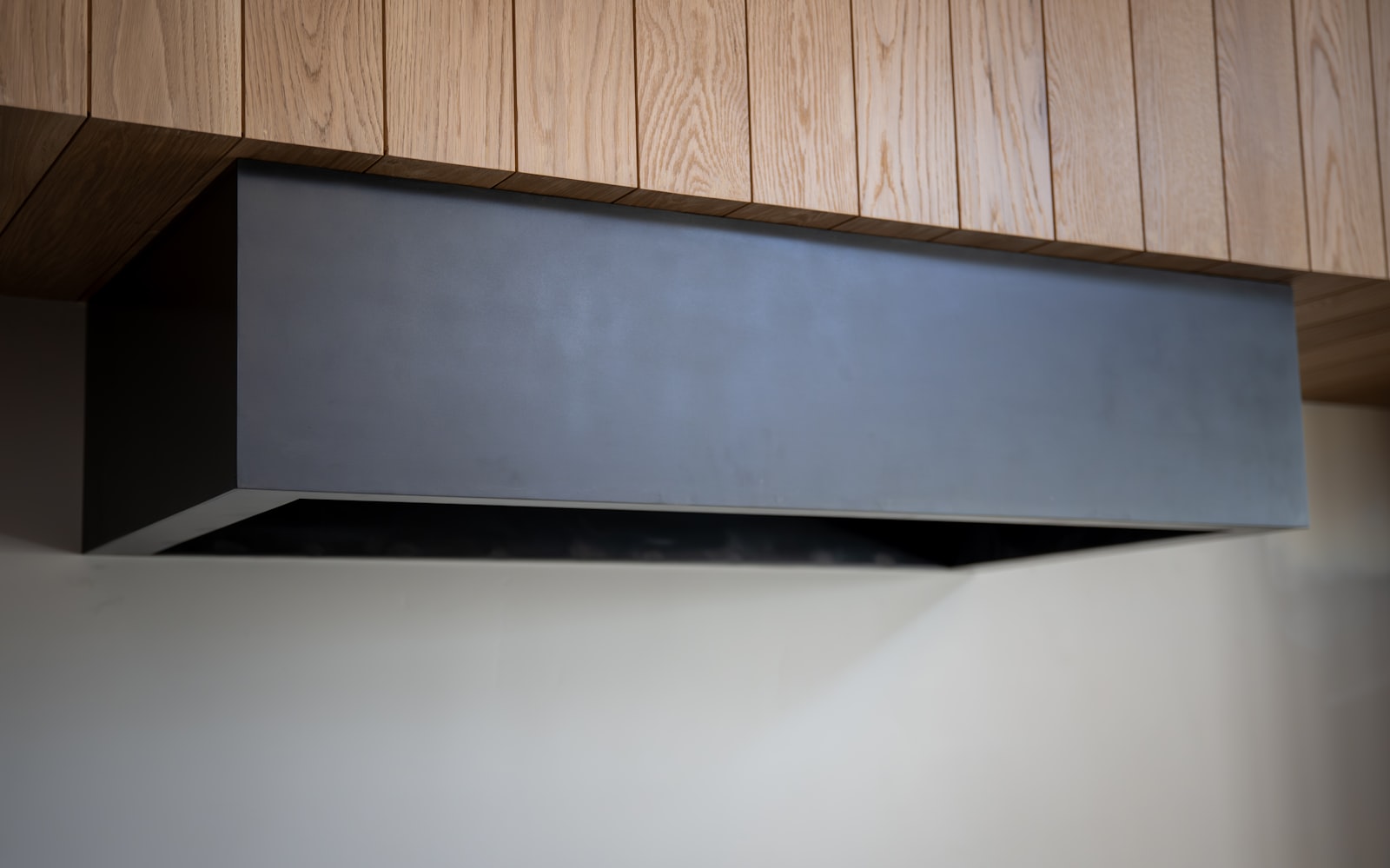
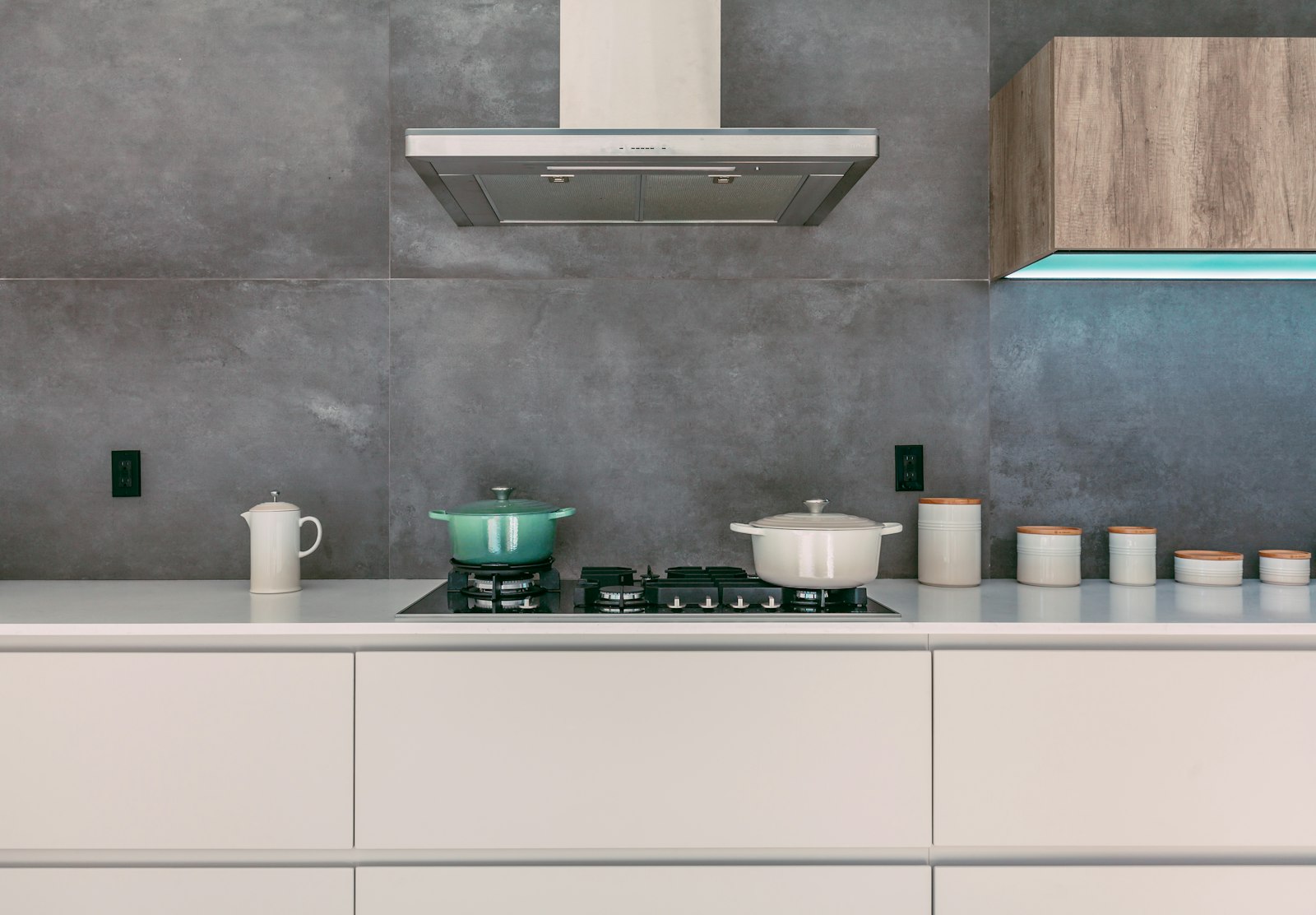
Under-cabinet hoods (WVU, UXT) tuck beneath an existing cabinet and are the simplest swap. Chimney canopy hoods (WVW) mount to the wall with a visible stack and suit a cooktop with no cabinet above or an open, design-forward kitchen. Crucially, decide ducted versus ductless: ducted venting outside is far more effective at removing heat, moisture, and odor, while ductless recirculating (with a charcoal filter) is the fallback when outside venting is not possible. Many Whirlpool models are convertible so you can choose at install time.
Thinking beyond the purchase
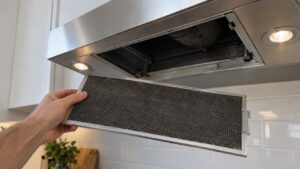
A hood is a long-term appliance, so consider how easy the grease filters are to clean (dishwasher-safe metal filters are a plus) and whether lighting is replaceable bulbs or integrated LED. When the time comes that an existing hood needs service rather than replacement, you can schedule a Whirlpool range hood repair, and our Whirlpool range hood repair overview explains what is involved. Repairs use genuine OEM parts with a 30-day labor warranty. To compare current models, CFM ratings, and finishes side by side, Whirlpool lists the full lineup at whirlpool.com.
Noise, lighting, and features to weigh
Beyond width and airflow, a few practical features make a daily difference. Noise matters more than buyers expect — higher CFM generally means more noise at full speed, which is one reason a multi-speed hood is worth having, so you can run a quieter low speed for light cooking and reserve high for searing. Some Whirlpool hoods publish a sone rating; lower is quieter. Lighting is the next consideration: LED task lighting lasts far longer than halogen or incandescent and uses less energy, though replaceable bulbs are simpler to swap when they do fail. Look at the filters too — dishwasher-safe metal grease filters are far easier to maintain than fiddly ones, and convertible models give you the flexibility to vent outside now and switch to ductless later (or the reverse) without buying a new hood. Controls range from simple mechanical switches to electronic touch panels; mechanical switches are easy to clean and cheap to fix, while electronic panels add convenience but can cost more to repair.
The bottom line
Match the width, pick CFM for how you really cook, vent outside if you possibly can, and favor washable filters. Get those four right and the hood will serve you well for years. Everything else — finish, exact control style, smart features — is a matter of taste once those four fundamentals are settled, so decide them first and let the rest follow.