What “Noisy Operation” means on a Whirlpool range hood (whirlpool range hood noisy operation diagnosis)
A Whirlpool range hood that rattles or hums is diagnosed by symptom and usually traces to the blower or mounting.
Common causes
A Whirlpool range hood is diagnosed by symptom rather than by an error code, so the most likely causes are worked through in order before any part is fitted.
- Grease buildup unbalancing the blower wheel
- Loose blower or housing
- Worn motor bearings
What you can check first
Work through these owner-level checks before booking service, and stop wherever mains voltage, gas, water, or a moving mechanism is involved.
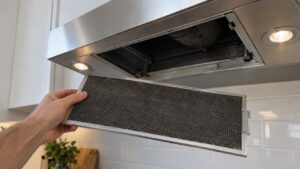
- Clean the blower wheel and filters
- Check that the hood and ducting are secure
- Note whether noise rises with speed
How a technician diagnoses it
Because a Whirlpool range hood gives no error code for this, an experienced technician works from the symptom to the part. They confirm the complaint at the appliance, isolate the circuit or mechanism involved, and test each suspected component against specification before condemning it — measuring resistance, checking continuity at switches, verifying water, gas, or power where relevant, and ruling out the simple causes first. That methodical approach is what separates a single-visit repair from a guessed part swap, and it is why a Noisy Operation on a range hood is read by behavior rather than by a screen.
When to call a technician
This condition is rated Low severity. If it persists after the checks above, an experienced, independent technician should diagnose it at the named part and fit a genuine OEM replacement. As an independent service we are not affiliated with Whirlpool Corporation; our workmanship carries a 30-day labor warranty and pricing starts from a clear trip-and-diagnostic fee, never a fixed price unseen. Have your range hood model and serial number ready when you book, and the right part for your exact build can be matched before the visit.
Preventing it in future
A little routine care keeps a Whirlpool range hood out of trouble: keep it clean, give it the airflow and clearances it was designed for, address small changes in performance early rather than after a failure, and use only genuine OEM parts when something does wear out. Catching a Noisy Operation while it is still minor is almost always cheaper than waiting for a related part to fail, and it keeps the appliance performing the way it was built to.
Related help and Whirlpool resources
Book Whirlpool range hood repair, browse our range hood diagnostics and step-by-step repair guides, find your area on the locations page, or schedule service. For specifications and model lookup, visit whirlpool.com.