Whirlpool range LP gas conversion during installation means swapping the burner orifices and adjusting the regulator so the range burns propane at the correct pressure — natural gas and LP are not interchangeable fuels on the same factory settings, and skipping this conversion is one of the most common reasons a newly installed gas range burns with the wrong flame size or won’t light reliably at all.
Why can’t a natural gas range just run on propane without any changes?
Natural gas and propane deliver a different amount of energy per unit of volume, and they’re supplied at different pressures through a home’s gas lines. A range’s burner orifices — the small openings that meter how much gas reaches each burner — are sized specifically for one fuel or the other. Put propane through an orifice sized for natural gas and you get too much fuel reaching the burner for the amount of air mixing with it, producing a large, unstable, yellow-tipped flame that burns inefficiently and leaves soot on cookware. Reverse the mismatch — natural gas through an LP-sized orifice — and you get too little fuel, a weak flame that struggles to stay lit or won’t reach proper cooking temperature. Neither mismatch is safe to leave in place, which is why the conversion has to happen before the range is used on whichever fuel it wasn’t originally set up for.
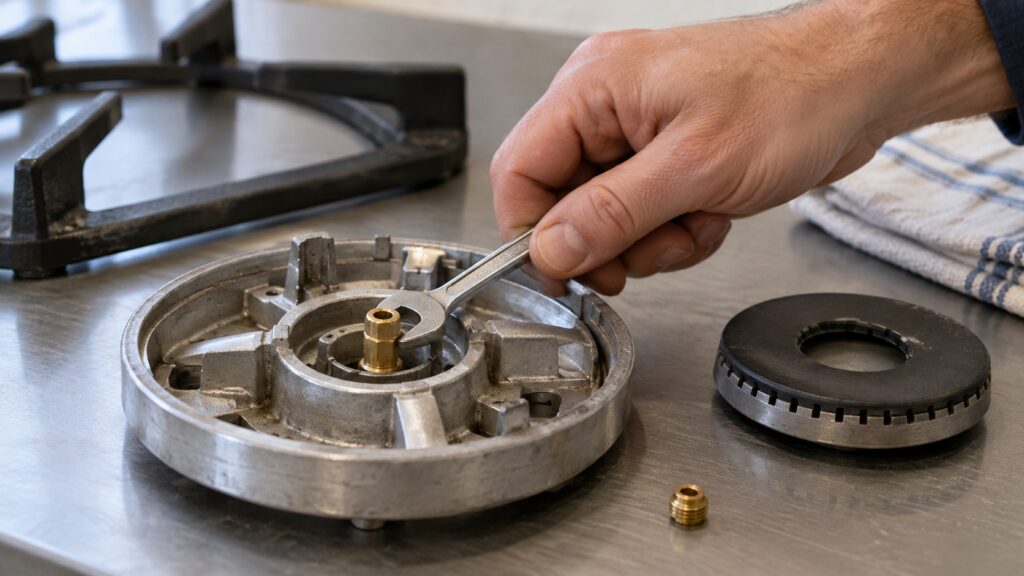
What actually happens during an LP conversion?
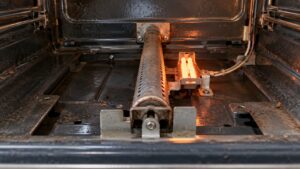
The core of the job is replacing the burner orifices — sometimes called spuds — with a set sized for LP, one for each burner on the cooktop and the oven burner as well. Depending on the range, the pilot or igniter assembly may also need an orifice change, and the regulator that controls incoming gas pressure to the range typically has to be adjusted or, on some models, flipped to expose a different pressure-regulating orifice built into the same part. Whirlpool sells LP conversion kits matched to specific range models precisely because these parts are not universal — an orifice sized correctly for one range’s burner is not necessarily correct for another range’s burner, even within the same product line, so using the kit specified for your exact model matters.
Can you convert a range yourself, or does it need a professional?
Whirlpool’s own installation instructions typically call for a qualified technician to perform gas conversions, and that’s not boilerplate caution — a gas connection with an incorrectly sized orifice or a misadjusted regulator is a genuine safety hazard, not just a performance inconvenience. If you’re comfortable with basic appliance work and have the correct conversion kit and instructions for your exact model, the individual steps aren’t especially complex, but confirming the work afterward — checking flame color, testing for leaks with an approved leak-detection solution, verifying the regulator is set correctly — is not optional, and it’s the part most likely to be skipped or done incorrectly by someone unfamiliar with gas work. If there’s any doubt about doing this correctly, it’s worth having a technician confirm the conversion before the range goes into regular use.
How do you know if a conversion was done incorrectly?
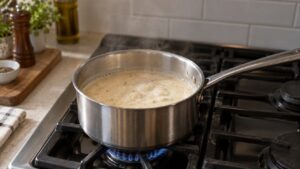
Flame appearance is the clearest signal. A properly converted LP burner produces a steady blue flame with a small, well-defined tip — large, flickering, yellow-tipped flames indicate too much gas reaching the burner for the air mixing with it, which on a converted range usually means the orifice size is wrong for the fuel actually being supplied. A flame that’s difficult to light, burns very low, or goes out on its own points the opposite direction — not enough fuel reaching the burner. Either symptom is worth addressing immediately rather than living with it, both because of the safety implications and because an incorrectly sized orifice long-term can deposit soot inside the burner assembly that makes the eventual correct fix more involved. Our guide on a Whirlpool range gas burner that won’t light covers ignition troubleshooting more broadly, though a fuel mismatch is worth ruling out first on any range installed or converted recently.
Can a range that’s already been converted to LP be switched back to natural gas later?
Yes, but it means reversing the full conversion, not just reconnecting the range to a different gas line. The original natural-gas orifices have to go back in, the regulator has to be reset or flipped back to its natural-gas setting, and the same flame-quality checks apply afterward as they would for the original conversion. This comes up most often when a range moves between homes with different available fuel types, or when a rental property switches supply. Keep the original orifices and any paperwork from the first conversion if there’s a reasonable chance the range will move to a natural-gas hookup down the line — sourcing replacement natural-gas orifices for an older model later can take longer than simply keeping the original set.
Does converting fuel type affect anything else about the range’s installation?
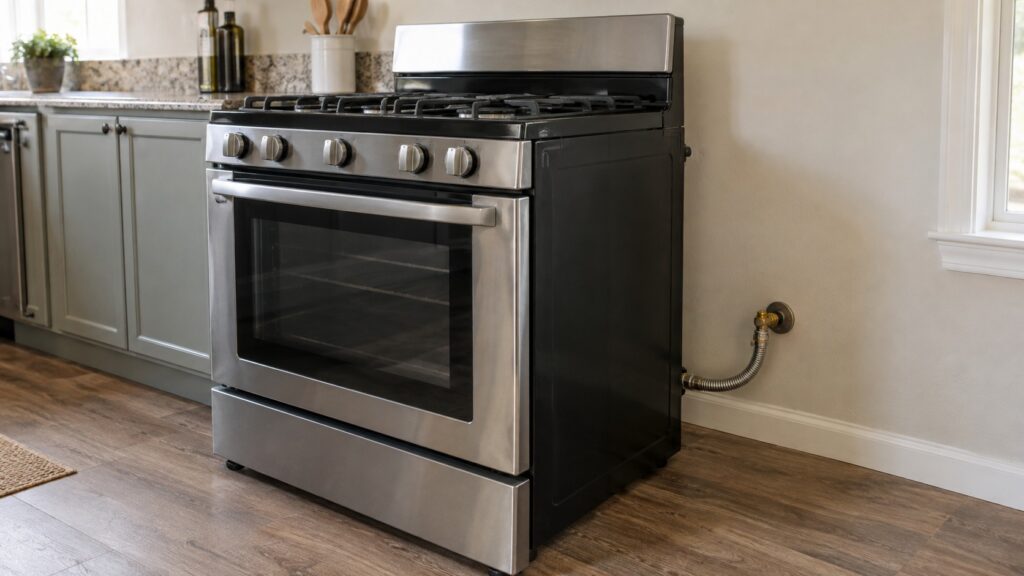
The gas line itself needs to be rated and sized appropriately for whichever fuel you’re supplying — an LP installation typically means a propane tank and its own regulated supply line rather than tapping into an existing natural gas line, since the two fuel sources aren’t interchangeable at the source either. If you’re installing a range for the first time in a space that previously had natural gas and switching to LP, or vice versa, that’s a larger plumbing consideration beyond the range itself, and it’s worth confirming with whoever is running your gas lines before the range delivery date rather than discovering the mismatch after the range arrives. Our broader Whirlpool range installation guide covers clearance, leveling, and electrical setup for the range itself, separate from the fuel-supply and conversion questions covered here. Once the range is installed and converted correctly, our range maintenance guide covers the burner and orifice care that keeps flame quality consistent over years of use.
If you’re not certain whether your range needs an LP conversion, or you’d like a technician to confirm the conversion was done correctly before regular use, our team can schedule a visit and check flame quality, orifice sizing, and regulator settings together.