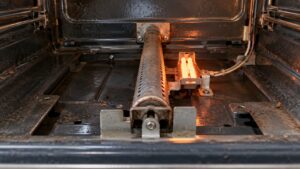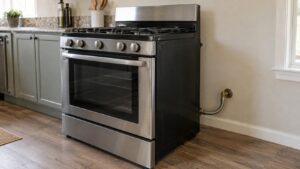
If your baking comes out underdone or burnt despite following the recipe, a whirlpool range oven temperature off by a few degrees is often to blame. The good news is that small errors can usually be corrected with a built-in calibration adjustment, while larger or erratic swings point to a failing temperature sensor. These tips help you tell the difference and fix it on ranges like the WFE515S0J and WFG550S0H.
First, confirm the whirlpool range oven temperature off problem
Before adjusting anything, verify the error with an independent oven thermometer — do not rely on feel. Place a quality oven thermometer on the center rack, set the oven to 350°F, let it fully preheat and cycle a few times (15 to 20 minutes), then read the thermometer. Repeat once or twice and average the readings. If the oven is consistently off by a steady amount, calibration will fix it; if it swings wildly or never stabilizes, the sensor is the likely cause.
Recalibrating a small, steady error
Most Whirlpool ovens let you offset the temperature, usually up to plus or minus 35°F. The exact steps vary by model, but the pattern is to enter the settings or temperature-calibration menu and adjust the offset by the difference you measured. For example, if the oven reads 25°F low, add a 25°F offset. Check your model’s manual for the precise key sequence. Re-test with the thermometer afterward to confirm.
When calibration is not enough
If the oven is off by far more than the calibration range allows, heats unevenly, or the displayed temperature jumps around, recalibration will not help — the oven temperature sensor (RTD probe) is probably failing. A failing sensor sends the control board a wrong resistance reading, so the oven over- or under-heats. A fully open sensor shows as an F3E1 problem; read the detail on our F3E1 sensor page. Heavy self-clean use is a common reason sensors fail early, as our self-clean guide explains.
Other things that mimic a temperature problem
- A worn door gasket lets heat escape, so the oven seems to run cool — check the seal.
- Opening the door too often during baking drops the temperature sharply.
- Using the wrong rack position or dark pans changes browning without the oven being wrong.
Habits that keep baking accurate
Even a perfectly calibrated oven bakes badly if it is used carelessly, so a few habits help as much as any adjustment. Always preheat fully and wait for the ready tone, since the heating element overshoots and then settles, and putting food in too early or too late skews the result. Resist the urge to open the door to peek; each opening can drop the temperature by a noticeable amount and lengthen the bake. Use the rack position the recipe calls for, because the top of the oven runs hotter than the bottom, and rotate trays halfway through if your oven has a known hot side. Bake on light-colored, shiny pans for delicate items and reserve dark pans for when you want more browning. Finally, give a heavily loaded oven extra time — a full oven of cold dishes pulls the temperature down and the element needs longer to recover. These small disciplines often resolve what feels like a temperature problem without touching the calibration at all.
When to call a technician
If calibration does not bring the oven into line, or you suspect the sensor, an independent specialist can test and replace the sensor and verify calibration with genuine OEM parts, a 30-day labor warranty, and pricing from a trip-and-diagnostic fee depending on the diagnosis. You can schedule a calibration check online. For the model-specific calibration procedure, see Whirlpool.