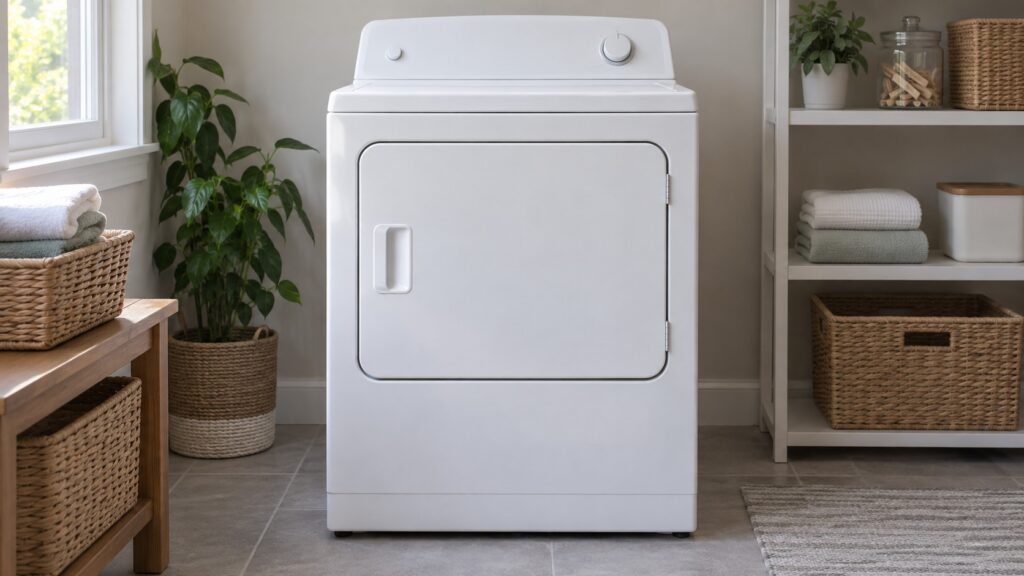
The Whirlpool WGD4815EW is an electric dryer from Whirlpool’s mid-range lineup, and the model number itself tells you more than most shoppers realize: WGD marks a Whirlpool gas dryer family name carried over into electric numbering conventions on some listings, but the “W” prefix on this specific line and the digits that follow point to a standard-capacity, top-control dryer rather than one of Whirlpool’s larger or smart-connected models. If you’re comparing it to other Whirlpool dryers, the decision comes down to capacity, moisture sensing, and how the controls are laid out — not brand-new technology, since this sits in Whirlpool’s proven mid-tier rather than its flagship line.
What does the WGD4815EW model number actually tell you?
Whirlpool’s dryer naming isn’t perfectly consistent across every generation, which is exactly why relying on the letters alone to guess capacity or features is risky. The safest approach if you’re shopping for this model, or if you already own one and need a replacement part, is to read the full model and serial number off the nameplate inside the door well rather than trusting a listing title. Whirlpool has reused similar digit blocks across mid-range dryers with different internal revisions over the years, so two units sold under names that look almost identical can have different drum capacities or control layouts. If you’re ordering a part, this distinction is the difference between a part that fits and one that doesn’t.
How does this model compare to Whirlpool’s larger-capacity dryers?
Whirlpool’s dryer lineup splits broadly into standard-capacity and larger-capacity drums, and the WGD4815EW sits in the standard tier rather than the largest available. For a household doing a few loads a week of ordinary laundry, that’s plenty of room; if you regularly dry bulky items — comforters, sleeping bags — a larger-capacity model handles those without needing multiple cycles to get everything properly tumbling. The tradeoff for a smaller footprint dryer is usually price and, on some models, a shorter total cycle time, since a smaller load of the same items dries faster than a larger drum with more air to heat.
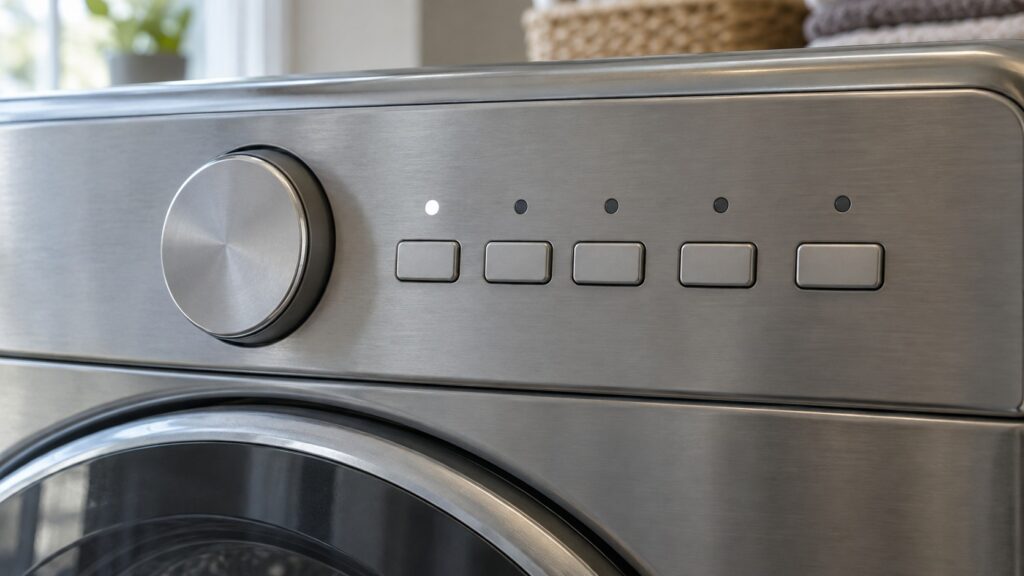
What drying technology does this model actually use?
Most dryers in this tier use a moisture-sensing system rather than a purely timed cycle — sensors in the drum detect when the load has reached the selected dryness level and end the cycle automatically, rather than running a fixed duration regardless of how quickly the load actually dries. That matters more than people expect: an oversized timed cycle overdries clothes and wastes energy, while an undersized one leaves items damp. Our guide on how a Whirlpool dryer works covers this mechanism across the lineup, and it applies to this model’s core drying cycle as well.
Whether your specific unit includes Whirlpool’s higher-end sensor-dry naming — the brand has used a few different marketing names for moisture sensing across its lineup and years — is worth confirming against the control panel itself rather than assuming from the model number alone.
What should you check before buying this specific model?
Start with your laundry space’s electrical setup: electric dryers in this class need a dedicated 240-volt circuit, and if you’re replacing a gas dryer with an electric model like this one, that circuit may not already exist in your laundry room. Second, check the venting path — a dryer of this size needs an unobstructed vent run to the outside, and a duct that’s too long or has too many bends will show up later as a dryer that takes far longer than it should to finish a load, regardless of how good the dryer itself is. Third, if you’re buying used, ask for a clear photo of the nameplate rather than trusting the listing title, for the same reason mentioned above — the model number by itself doesn’t guarantee you’re getting the exact internal revision you expect.
If you already own a Whirlpool washer, check whether this dryer is sold as part of a matched pair in the same finish and control style — buying mismatched styles is a purely cosmetic issue, but a matched pair does simplify stacking if you plan to install them that way later.
What goes wrong most often on this class of Whirlpool dryer?
The most common service calls on mid-range Whirlpool electric dryers involve the heating element and the moisture sensor bars losing accuracy from dryer sheet residue, not major mechanical failures. Neither is unique to the WGD4815EW specifically — they’re wear patterns across the whole electric dryer category at this price point. If your dryer isn’t heating at all, our guide on a Whirlpool dryer not heating covers the checks worth doing before calling for service, and if cycles are running unusually long, our dryer takes too long guide walks through venting and sensor causes separately.
Routine care matters here too — our dryer maintenance and vent cleaning guide covers the schedule that keeps drying times consistent and reduces the fire risk that comes with a neglected vent run.
Is this model worth buying over a newer or larger Whirlpool dryer?
If you’re comparing the WGD4815EW against a current-generation Whirlpool dryer in the same tier, the honest answer is that core drying mechanics in this class haven’t changed dramatically — differences show up mostly in control panel styling, added cycle presets, and finish options rather than in how thoroughly or quickly clothes actually dry. Where it matters more is parts availability over the long run: a well-supported mid-range model like this one tends to have heating elements, belts, and sensor parts easy to source for years, which keeps ownership costs predictable. If you’re deciding between repairing an aging unit and buying new, our dryer repair or replace guide covers that broader decision directly.
Whether you’re installing a new WGD4815EW or troubleshooting one already in your laundry room, our technicians work on the full Whirlpool dryer lineup and can schedule a visit to diagnose heating, venting, or sensor issues without guessing at parts over the phone.